How to Sell Scrap Metal in the UK: A Practical Guide for Businesses
If your business regularly produces unwanted or surplus metal, you may be wondering what to do with it. Scrap metal can take up valuable storage space, become mixed with other waste and gradually build up without a clear plan for disposal.
Selling suitable scrap metal can provide a practical solution. Instead of allowing unwanted metal to sit around, businesses can separate and organise it before approaching a professional scrap metal buyer.
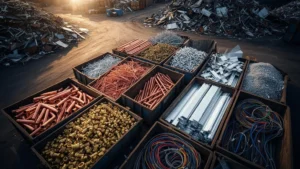
Whether you have copper cable, aluminium profiles, brass fittings, steel offcuts or another type of metal, understanding how the selling process works can help you prepare your material properly.
What Is Scrap Metal?
Scrap metal is unwanted or surplus metal that is no longer needed for its original purpose but may still have value as a recyclable material.
It can come from almost any commercial activity, including:
- Manufacturing
- Construction
- Demolition
- Plumbing
- Electrical work
- Engineering
- Fabrication
- Automotive businesses
- Industrial maintenance
- Commercial property work
The material can range from large quantities of structural steel to smaller quantities of copper wire, brass fittings or aluminium offcuts.
What Types of Scrap Metal Can You Sell?
Scrap metal is generally divided into two broad categories: ferrous and non-ferrous metals.
Ferrous Scrap Metal
Ferrous metals contain iron. Common examples include:
- Steel
- Iron
- Stainless steel
These materials are widely used in construction, engineering, manufacturing and industrial applications.
Non-Ferrous Scrap Metal
Non-ferrous metals do not rely on iron as their main metal content. Common examples include:
- Copper
- Aluminium
- Brass
- Lead
- Zinc
- Bronze
- Nickel
- Titanium
Non-ferrous metals are often separated from general scrap because their composition and characteristics differ.
For more information about selling different types of metal, visit our [Scrap Metal Buyer UK] page.
Why Should You Separate Scrap Metal?
One of the simplest things a business can do before selling scrap is to keep different metals separated where practical.
For example, instead of putting copper, aluminium, brass and steel into one mixed container, create separate areas for each material.
This can make it easier to:
- Identify what you have
- Estimate quantities
- Take useful photographs
- Explain the material to a buyer
- Keep the stock organised
- Assess different materials separately
It is not always possible to separate every piece of scrap perfectly, particularly when dealing with demolition or dismantling work. However, separating obvious materials can make the process clearer.
How Does Scrap Metal Value Work?
There is no single price for all scrap metal.
The potential value of a load can depend on several factors, including:
- Metal type
- Grade
- Composition
- Condition
- Cleanliness
- Quantity
- Form of the material
- Whether other materials are attached
- Current market conditions
For example, copper wire, copper pipe and mixed copper-containing material may not necessarily be assessed in exactly the same way.
The same principle applies to aluminium and brass. This is why simply searching for a single “scrap metal price” may not give you a useful indication of what your particular material could be worth.
What Information Should You Give a Scrap Metal Buyer?
The more useful information you can provide, the easier it is for a buyer to understand what you are offering.
Try to provide the following information.
1. Type of Metal
Tell the buyer whether you have copper, aluminium, brass, steel, iron or another material.
If you are uncertain, explain what the material looks like and where it came from rather than guessing.
2. Approximate Weight or Quantity
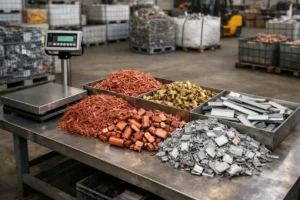
An exact weight is useful, but an estimate can still help when making an initial enquiry.
For larger commercial quantities, provide the best estimate available.
3. Condition
Explain whether the material is:
- Clean
- Mixed
- Painted
- Coated
- Insulated
- Attached to other materials
- Contaminated with other materials
4. Photographs
Good photographs can make it easier to understand the material before discussing collection or delivery.
Take photographs that show both the overall quantity and close-up examples of the material.
5. Location
Tell the buyer where the scrap is located.
This is particularly important if you have a commercial quantity and are discussing collection arrangements.
Should You Remove Other Materials?
That depends on the material and what is attached to it.
For example, copper cable may contain insulation, while brass fittings may contain other components.
Do not assume that every item needs to be dismantled before contacting a buyer. Instead, provide clear information about what you have and ask how the material should be prepared.
Where practical, separating obvious metals such as copper, aluminium, brass and steel can make identification easier.
How to Sell Copper Scrap
Copper is one of the most common non-ferrous scrap metals generated by businesses.
It can come from:
- Electrical work
- Plumbing
- Construction
- Manufacturing
- Engineering
- Demolition
Common examples include copper pipe, copper wire, cable and manufacturing offcuts.
If copper makes up a significant part of your scrap, see our [Copper Scrap Buyer UK] page for more information about the types of copper scrap that can be considered and how to prepare an enquiry.
How to Sell Aluminium Scrap
Aluminium scrap can come from construction, fabrication, engineering, manufacturing and automotive work.
Common forms include:
- Aluminium sheets
- Profiles
- Sections
- Wheels
- Tubing
- Components
- Offcuts
Keeping aluminium separate from steel and other metals can make the material easier to identify.
For more information, visit our [Aluminium Scrap Buyer UK] page.
How to Sell Brass Scrap
Brass is commonly found in plumbing, engineering, manufacturing and industrial applications.
Examples include:
- Brass taps
- Brass valves
- Brass fittings
- Engineering components
- Offcuts
- Castings
If you have brass scrap, provide details about the type, approximate quantity and condition.
Our [Brass Scrap Buyer UK] page provides more information about selling different forms of brass scrap.
A Simple Scrap Metal Selling Process
For most businesses, the process can be broken down into a few straightforward stages.
Step 1: Identify the Material
Work out which metals you have and separate obvious categories where practical.
Step 2: Estimate the Quantity
Record approximate weights or quantities.
Step 3: Take Photographs
Photograph the material clearly, including both the overall quantity and individual pieces where useful.
Step 4: Contact a Buyer
Provide the type of metal, quantity, condition and location.
Step 5: Discuss the Material
The buyer can review the information and discuss the buying terms.
Step 6: Confirm Collection or Delivery
Once the sale is agreed, confirm how the material will be collected or delivered.
What Businesses Should Avoid
There are several common mistakes that can make selling scrap more difficult.
Mixing Everything Together
Putting copper, brass, aluminium and steel into one mixed load can make identification more difficult.
Guessing the Metal Type
If you are unsure whether something is brass, bronze, copper or another alloy, say so rather than making an assumption.
Providing No Quantity
Even an approximate quantity is more useful than no indication at all.
Sending Poor Photographs
Dark or distant photographs may not show the material clearly. Take well-lit photographs from several angles.
Assuming Every Scrap Load Has the Same Value
Metal type, grade, condition and market conditions can all affect assessment.
Final Checklist Before Contacting a Scrap Metal Buyer
Before making an enquiry, try to have the following information ready:
- Type of metal
- Approximate quantity
- Location
- Condition
- Photographs
- Whether the material is mixed
- Whether other materials are attached
- Any information about the source of the scrap
The more clearly you can describe your material, the easier it is to start the conversation.
Ready to Sell Your Scrap Metal?
If your business has unwanted metal taking up valuable space, the first step is simply to understand what you have.
Separate the materials where practical, estimate the quantity and gather a few photographs. Then contact a professional scrap metal buyer to discuss the material and the next steps.