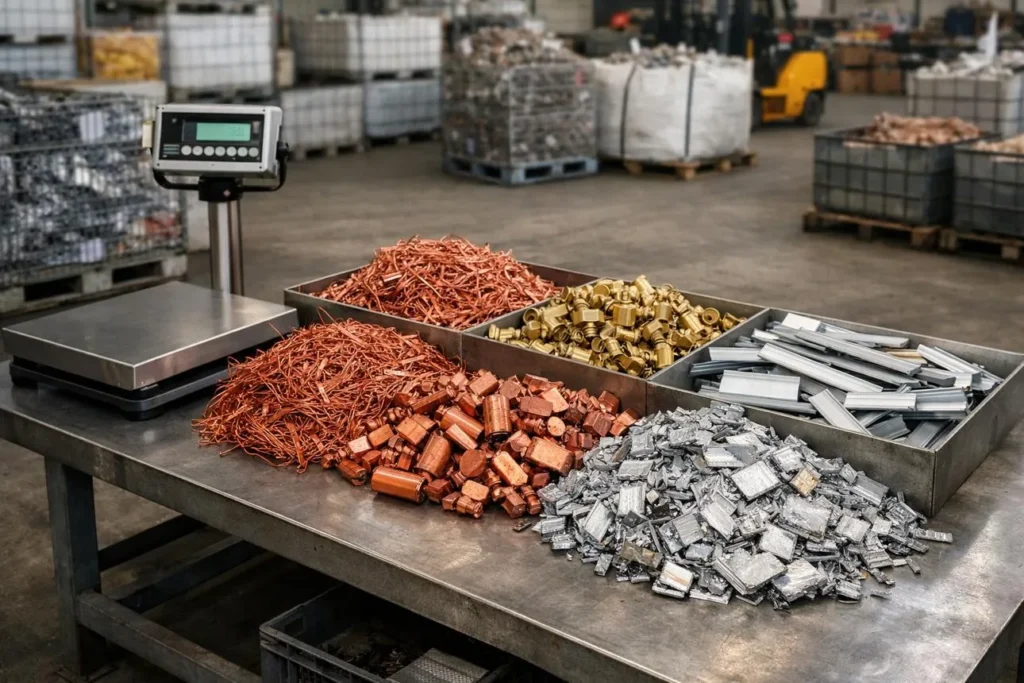
Copper, Aluminium or Brass? A Guide to Common Non-Ferrous Scrap Metals
Not all scrap metal is the same.
If your business produces metal waste, you may regularly come across copper, aluminium and brass without always knowing how they should be separated or assessed.
These three metals are widely used across UK businesses, particularly in plumbing, electrical work, construction, engineering and manufacturing.
Understanding the differences can help you organise your scrap more effectively and provide better information when contacting a scrap metal buyer.
What Is Non-Ferrous Scrap Metal?
Non-ferrous metals are metals that do not have iron as their main component.
Common examples include:
- Copper
- Aluminium
- Brass
- Lead
- Zinc
- Bronze
- Nickel
- Titanium
They are different from ferrous metals such as steel and iron.
Copper, aluminium and brass are particularly common in commercial and industrial scrap because they are used extensively in electrical systems, plumbing, construction, manufacturing and engineering.
Copper Scrap
Copper is commonly found in electrical and plumbing applications.
Businesses may produce copper scrap through:
- Electrical installation
- Plumbing
- Construction
- Demolition
- Manufacturing
- Engineering
- Maintenance work
Common forms include copper pipe, wire, cable, tubing, sheets, components and offcuts.
Why Is Copper Commonly Recycled?
Copper is widely used in electrical and industrial applications, meaning there is a large amount of copper-containing material in circulation.
When products are removed, replaced or cut during commercial work, the resulting copper can potentially become a useful scrap material.
What Can Affect Copper Scrap Assessment?
The type and condition of the copper matter.
Factors can include:
- Form of the copper
- Grade
- Cleanliness
- Whether insulation is attached
- Whether other metals are present
- Quantity
- Current market conditions
For more information, see our Copper Scrap Buyer UK page.
Aluminium Scrap
Aluminium is lightweight and widely used across construction, manufacturing, engineering and transport.
Common sources include:
- Construction profiles
- Fabrication
- Manufacturing
- Automotive businesses
- Engineering
- Commercial maintenance
Aluminium scrap may include sheets, profiles, sections, tubing, wheels, frames, components and offcuts.
Why Does Aluminium Appear in Commercial Scrap?
Aluminium is used in products where its properties make it suitable for lightweight construction and manufacturing.
During fabrication, installation, repair or replacement work, businesses can generate aluminium offcuts and unwanted components.
What Can Affect Aluminium Scrap Assessment?
The material can vary significantly from one load to another.
Relevant factors may include:
- Type of aluminium
- Grade
- Composition
- Cleanliness
- Condition
- Form
- Quantity
- Attached materials
- Current market conditions
You can learn more on our Aluminium Scrap Buyer UK page.
Brass Scrap
Brass is an alloy that is commonly associated with copper and zinc.
It is widely used for components where its properties make it suitable for plumbing, engineering and industrial applications.
Common brass scrap includes:
- Taps
- Valves
- Fittings
- Plumbing components
- Engineering components
- Castings
- Offcuts
- Hardware
Where Does Brass Scrap Come From?
Brass scrap can be generated during:
- Plumbing replacement work
- Building refurbishment
- Demolition
- Engineering
- Manufacturing
- Industrial maintenance
For example, a plumbing business may remove old brass fittings and valves during a replacement project.
What Can Affect Brass Scrap Assessment?
Brass can vary in composition, form and condition.
Important considerations may include:
- Type of brass
- Composition
- Grade
- Cleanliness
- Condition
- Quantity
- Other materials attached
- Current market conditions
For more information, visit our Brass Scrap Buyer UK page.
Copper vs Aluminium vs Brass
The three materials have different characteristics and common applications.
| Material | Common Sources | Typical Scrap Forms |
|---|---|---|
| Copper | Electrical, plumbing, construction | Wire, cable, pipe, tubing, offcuts |
| Aluminium | Construction, fabrication, automotive | Profiles, sheets, sections, wheels |
| Brass | Plumbing, engineering, manufacturing | Taps, valves, fittings, components |
The important point is that each material can have different grades and forms.
Simply identifying something as “metal” is usually not enough when discussing a commercial scrap load.
How Can You Tell Them Apart?
Visual appearance can sometimes provide an initial indication, but it should not be treated as a definitive identification method.
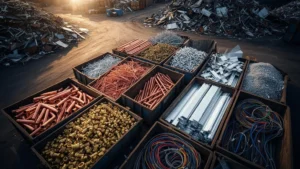
Copper typically has a reddish or orange metallic appearance.
Aluminium is generally light in colour and noticeably lightweight compared with many other metals.
Brass often has a yellow or golden metallic appearance.
However, coatings, oxidation, paint, dirt and other attached materials can change how scrap looks.
If you are uncertain about a material, provide photographs and explain where it came from.
Why Should You Keep These Metals Separate?
Separating different non-ferrous metals can make scrap management easier.
For example, you might have separate containers or designated areas for:
Copper
Electrical wire, pipe and copper offcuts.
Aluminium
Profiles, sections, sheets and fabrication offcuts.
Brass
Taps, fittings, valves and brass components.
This approach can help you keep track of quantities and makes it easier to explain your stock to a buyer.
What Happens When Metals Are Mixed?
Mixed scrap can still be discussed, particularly when separation is difficult or impractical.
However, a mixed load may require additional assessment because the buyer needs to understand what materials are actually present.
For example, a container containing copper, aluminium, brass and steel presents a different situation from a clearly separated load of clean copper.
If your material is already mixed, do not assume it cannot be sold. Provide photographs and an accurate description.
How Businesses Can Improve Scrap Management
Businesses that generate scrap regularly can benefit from establishing a simple system.
Create Separate Scrap Areas
Have clearly identified areas for common metals.
Train Staff
Make sure employees understand the difference between common materials where practical.
Record Quantities
Keep basic records of how much scrap is being generated.
Keep Scrap Dry and Organised
Where appropriate, protect materials from unnecessary contamination.
Review Stock Regularly
Do not allow valuable storage space to become filled with months or years of accumulated scrap.
Which Industries Generate These Metals?
Many industries can generate all three materials.
Plumbing
Plumbers can produce copper pipe and brass fittings.
Electrical Work
Electrical contractors can generate copper wire and cable.
Construction
Construction projects can produce copper, aluminium and brass alongside steel.
Manufacturing
Manufacturers may generate offcuts and rejected components made from different metals.
Engineering
Engineering businesses can produce aluminium and brass components alongside other metal scrap.
Demolition
Demolition and refurbishment can produce mixed loads containing recoverable non-ferrous metals.
The Most Important Thing Is Accurate Information
When selling scrap metal, you do not need to become a metal expert.
Instead, focus on giving the buyer useful information.
Tell them:
- What you believe the material is
- Where it came from
- How much you have
- What condition it is in
- Whether it is mixed
- Where it is located
Photographs can provide additional context.
This gives the buyer a better starting point for discussing the material.
Final Thoughts
Copper, aluminium and brass are three of the most common non-ferrous metals found in commercial scrap.
They are used in different industries and can appear in many different forms. Their assessment can therefore depend on more than simply the name of the metal.
If your business regularly produces these materials, separating them where practical and keeping useful information about your scrap can make the selling process much easier.
For specific information, explore our pages for Copper Scrap Buyer UK, Aluminium Scrap Buyer UK and Brass Scrap Buyer UK.
Sell Your Scrap Metal
If you have copper, aluminium, brass or other non-ferrous scrap metal, get in touch with our team to discuss your material.